
round led bathroom light
Understanding Level Frames Pricing A Detailed Insight Introduction to Level Frames Pricing In the realm of e-commerce and retail, pricing strategy is a critical aspect that influences buying decisions, customer satisfaction, and overall profitability. One relatively innovative approach gaining traction is level frames pricing. This pricing strategy focuses on creating distinct pricing tiers which not only helps customers understand the value of the products better but also enhances the seller’s ability to cater to various customer segments. In this article, we will explore the concept of level frames pricing in detail, discussing its significance, applications, and potential benefits for businesses. What is Level Frames Pricing? Level frames pricing essentially refers to a system of pricing that categorizes products or services into specific levels or tiers. Each tier represents a different price point along with varying features, benefits, or quality. This pricing structure is designed to appeal to different customer segments based on their budget, preferences, and needs. For example, a software company might offer three versions of its product a basic version at a low price, a standard version with additional features at a mid-range price, and a premium version with all features included at a higher price. This tiered approach allows customers to make informed decisions based on the perceived value of each offering. It also instills a sense of flexibility, as customers can choose the option that best aligns with their requirements and willingness to spend. Benefits of Level Frames Pricing 1. Enhanced Customer Decision-Making By providing clear options at different price points, customers can easily evaluate the trade-offs between price and added features. This transparency makes it easier for them to decide which product aligns with their needs, leading to higher satisfaction levels. 2. Increased Sales Opportunities Level frames pricing can attract a broader range of customers. Some customers may be price-sensitive and opt for the basic version, while others who seek premium features will gravitate towards the higher-end options. This diversity in product offerings increases the likelihood of making a sale to different customer segments. level frames pricing 3. Effective Market Segmentation This pricing framework allows businesses to segment their market efficiently. By offering levels that appeal to varying demographics, businesses can tailor their marketing strategies to target specific audience segments effectively. 4. Revenue Maximization When executed strategically, level frames pricing can lead to increased average transaction values. Customers who initially consider purchasing a lower-tier product might opt for a higher-tier version if they see significant value in the added features, thus maximizing revenue per transaction. 5. Reduced Price Sensitivity Tiered pricing can decrease customers' sensitivity to price changes. When customers perceive a clear value proposition in each tier, they are more likely to view any price changes as justifiable based on the features offered. Challenges of Level Frames Pricing While level frames pricing offers several advantages, it also comes with its challenges. One of the primary concerns is the potential for customer confusion. If the distinctions between tiers are not clearly communicated, customers may struggle to understand the differences and choose the wrong product. To mitigate this risk, businesses must ensure that their marketing materials are clear, concise, and informative. Another challenge is the risk of cannibalization, where customers who might have purchased a higher-tier product opt for a lower-tier option if they perceive it as sufficient for their needs. To minimize this, it’s crucial for businesses to create compelling reasons for customers to choose the higher-tier options. Conclusion Level frames pricing is an innovative approach that can significantly benefit businesses aiming to enhance customer experience and optimize sales. By creating a structured pricing strategy that caters to various customer segments, businesses can improve decision-making, increase sales opportunities, and maximize revenue. However, it is essential to navigate the associated challenges carefully to ensure the effectiveness of this pricing model. As consumers continue to seek value and tailor their purchases to meet specific needs, level frames pricing may well position businesses at the forefront of customer-centric strategies in the competitive retail landscape.
about
round led bathroom light
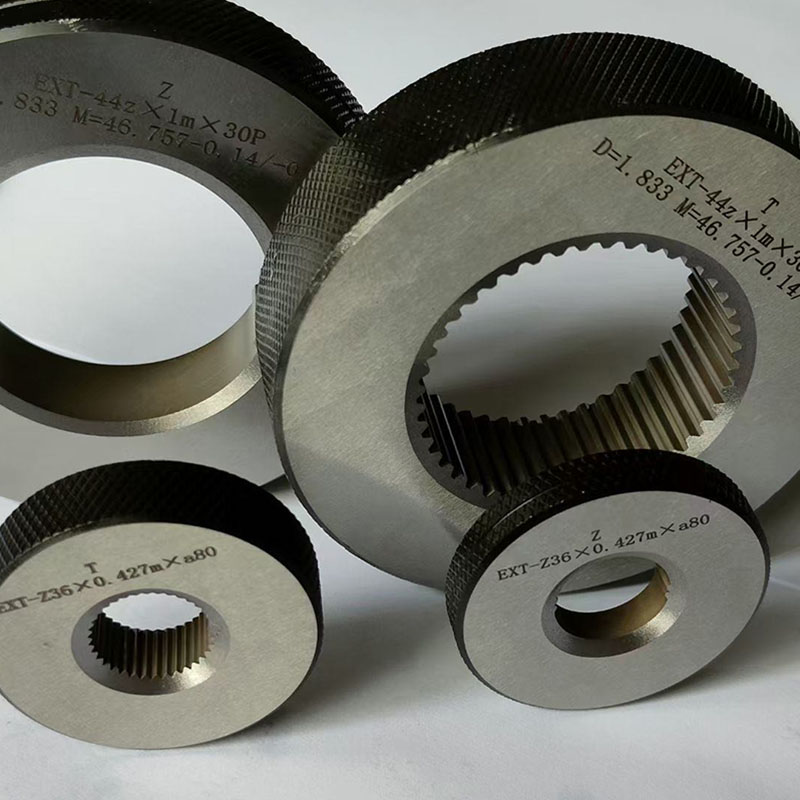
Understanding the Thread Per Inch (TPI) Gauge A Comprehensive Guide The Thread Per Inch (TPI) gauge is an essential tool used in various industries, particularly in mechanical engineering and manufacturing. It serves as a measurement device designed to determine the pitch of threads on screws, bolts, and other fasteners. In this article, we will explore what TPI is, how to use a TPI gauge, and its importance in ensuring proper fastening in various applications. What is Thread Per Inch (TPI)? Thread Per Inch is a unit of measurement that describes the number of threads contained in one inch of a screw or bolt. For example, if a bolt has 10 threads in one inch, it has a TPI of 10. TPI is primarily used in the imperial system, while the metric system generally employs pitches measured in millimeters. Understanding TPI is crucial for ensuring compatibility between fasteners and threaded holes, as mismatched threads can lead to joint failures or mechanical issues. The Construction of a TPI Gauge A TPI gauge typically features a series of serrated edges or cutouts, each corresponding to a specific TPI measurement. These edges are usually numbered, providing a quick reference to the user. Made from durable materials, such as stainless steel or hardened plastic, TPI gauges are designed for repeated use under various environmental conditions. Some gauges are also dual-sided to accommodate both coarse and fine threads, making them even more versatile. How to Use a TPI Gauge Using a TPI gauge is a straightforward process 1. Select the Right Gauge Choose a TPI gauge that suits the size of the fastener you are measuring. If the fastener is small, make sure the gauge has the appropriate range. 2. Align the Gauge Place the selected area of the gauge against the threads of the bolt or screw. Ensure that the gauge is level for an accurate reading. thread per inch gauge 3. Count the Threads Identify the point on the gauge that best matches the threads of the fastener. This will allow you to determine the TPI by matching the threads on the gauge with those on the fastener. 4. Read the Measurement Once you’ve found a match, read the corresponding TPI value on the gauge. This value is critical for selecting the correct nut or threaded hole. Importance of TPI in Applications Understanding and accurately measuring TPI is crucial across various applications for several reasons - Compatibility Fasteners must be compatible with the materials they are used with. An incorrect TPI can lead to poor fitting and compromised structural integrity. - Load Bearing Capacity The number of threads per inch can affect the load-bearing capacity of a fastener. Fine threads, which have a higher TPI, are often used in applications that require greater resistance to stripping and are better for precise adjustments, while coarse threads are better for applications requiring quick assembly and disassembly. - Safety In industries such as automotive, aerospace, and construction, the proper fastening and tensioning of components are vital for safety. An inaccurate TPI measurement can lead to potential failures. Conclusion The Thread Per Inch gauge is a simple yet indispensable instrument in the toolkit of engineers, machinists, and manufacturers. By providing an accurate measure of thread density, it ensures that components are assembled correctly and safely. Mastery of TPI measurements not only enhances the quality of work but also protects against mechanical failures that can have serious consequences in industrial applications. Whether you're a seasoned professional or a DIY enthusiast, investing time in understanding TPI and how to use a TPI gauge is certainly worthwhile. The efficiency and safety it brings to any project cannot be overstated, making it a fundamental aspect of mechanical assembly.
-

High quality industrial productsagement

High quality industrial products
View Details -

Meet the diverse needs of customers

Meet the diverse needs of customers
View Details -

Strict quality control

Strict quality control
View Details -

Top raw materials

Top raw materials
View Details -

Trusted supplier

Trusted supplier
View Details
Our application


news and information
Water Pressure Control Valve for Efficient Regulation and System Protection
Understanding Water Pressure Reduction Valves Water pressure reduction valves (PRVs) are essential c
Van cửa niêm phong mềm điện
Van cổng 150mm, một trong những sản phẩm quan trọng trong ngành công nghiệp, đóng vai trò tối ưu hóa
Y filtre en fonte
Le Strainer Y en Fonte Un Équipement Indispensable pour l’Industrie Dans le domaine de l’industrie,
 English